Commercial · Repair & maintenance
The cheapest commercial roof is the one you already have.
A low-slope roof that’s inspected twice a year and repaired early can outlive an ignored one by years. We keep yours documented, dry, and in your capital plan on your terms.
- Photo-documented
- Written line-item scope
- Across Texas
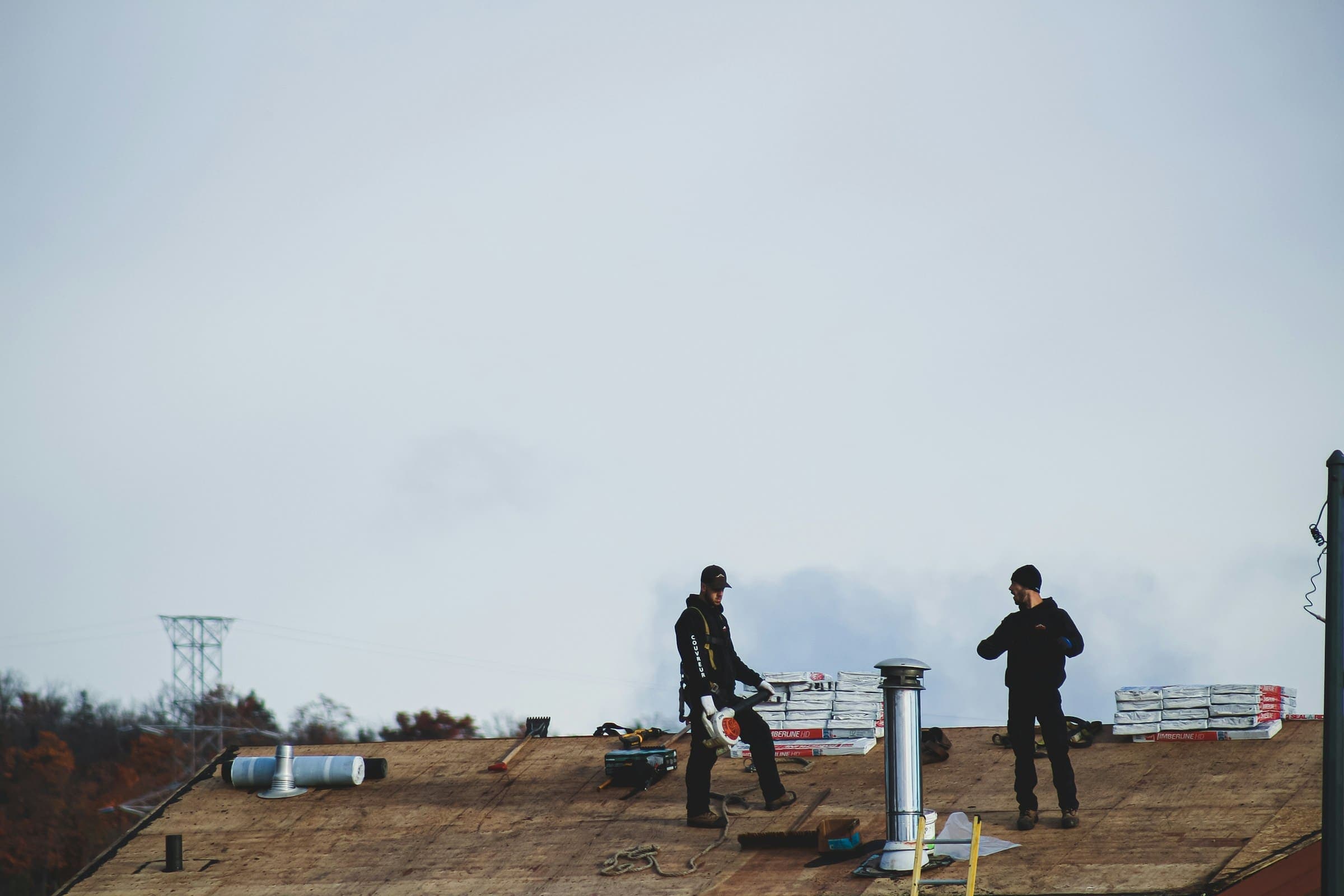
Built for facility and property managers
You need three things from a roofing contractor: fast response when a tenant reports a leak, clear documentation you can forward to ownership, and no surprise capital requests.
Our maintenance programs are built around that. Every visit produces a dated condition report with photos and a prioritized list of repairs, priced separately so you approve what fits the budget.
- TPO, PVC, modified bitumen, built-up (BUR) and metal roof systems
- Leak investigation with tenant-friendly scheduling
- Seam, flashing, curb, drain and penetration repairs
- Roof plans marked with every repair location over time
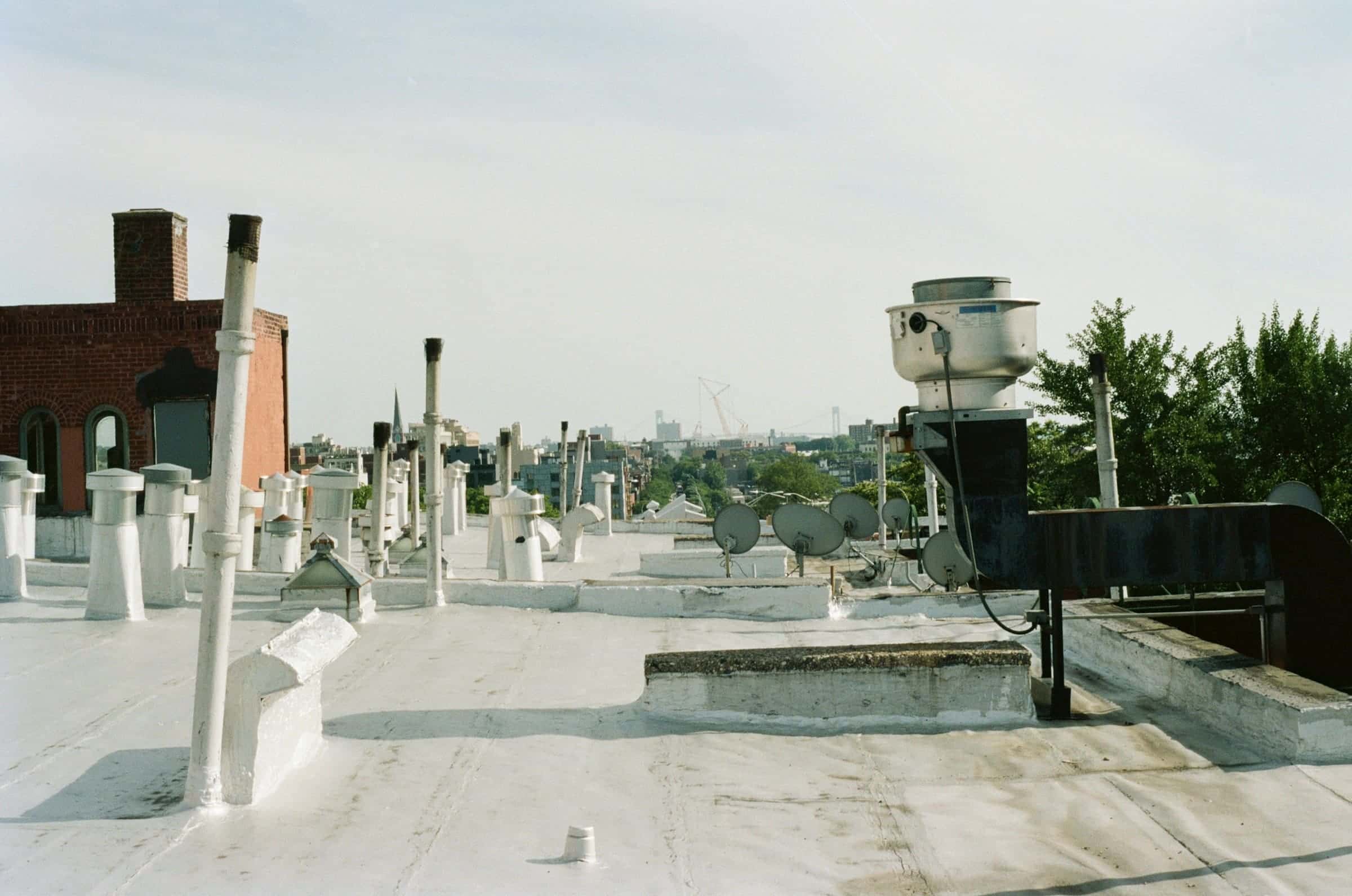
Maintenance programs
What a scheduled maintenance program covers
| Spring visit | Fall visit | After major storms | |
|---|---|---|---|
| Inspection | Full roof walk, seams, flashings, penetrations | Same, plus pre-winter drainage focus | Targeted damage survey |
| Drainage | Clear drains, scuppers, gutters | Clear leaf and debris load | Check for blockages and ponding |
| Minor repairs | Included up to agreed allowance | Included up to agreed allowance | Quoted separately |
| Report | Photo condition report + priorities | Report + next-year budget forecast | Documentation for insurance |
Program pricing depends on roof area, system type, and access. Manufacturer warranties often require documented maintenance — we keep that record for you.
Warning signs
When a commercial roof needs attention
Ponding water
Water standing more than 48 hours after rain accelerates membrane aging and points to drainage or deck issues.
Open or lifting seams
Membrane seams that peel back or show voids are a direct path for water.
Blistering or alligatoring
Surface cracking and bubbles on modified bitumen or built-up roofs signal aging.
Wet insulation
Soft spots underfoot mean water has entered the roof assembly. Infrared or core testing confirms the extent.
Rooftop equipment traffic
HVAC service paths without walk pads wear the membrane quickly.
Recurring tenant leak tickets
Repeated calls from the same area usually mean the original repair addressed the symptom, not the source.
Process
How we respond to a leak call
Ticket
Call or email with the building, suite and location of the leak. We confirm a response window.
Investigate
Interior check, then roof survey above and upslope. Temporary repair if needed to stop water that day.
Report
Photo report with cause, repair performed, and any recommended follow-up — formatted for your files.
Close out
Permanent repair scheduled around tenant operations. Location logged on the roof plan.
Do you work on roofs installed by other contractors?
Yes. We’ll check whether your manufacturer warranty requires authorized repairs first so that repairs don’t put coverage at risk.
Can you work around tenant hours?
Yes. Noisy or odor-producing work can be scheduled for early mornings, evenings or weekends where the building allows.
Do you manage multiple sites?
Yes. Portfolio clients get a single point of contact and consistent reports across buildings.
Next step
Get a baseline on your roof
Start with a condition assessment. You’ll get a photo report, a prioritized repair list and a realistic remaining-life estimate.