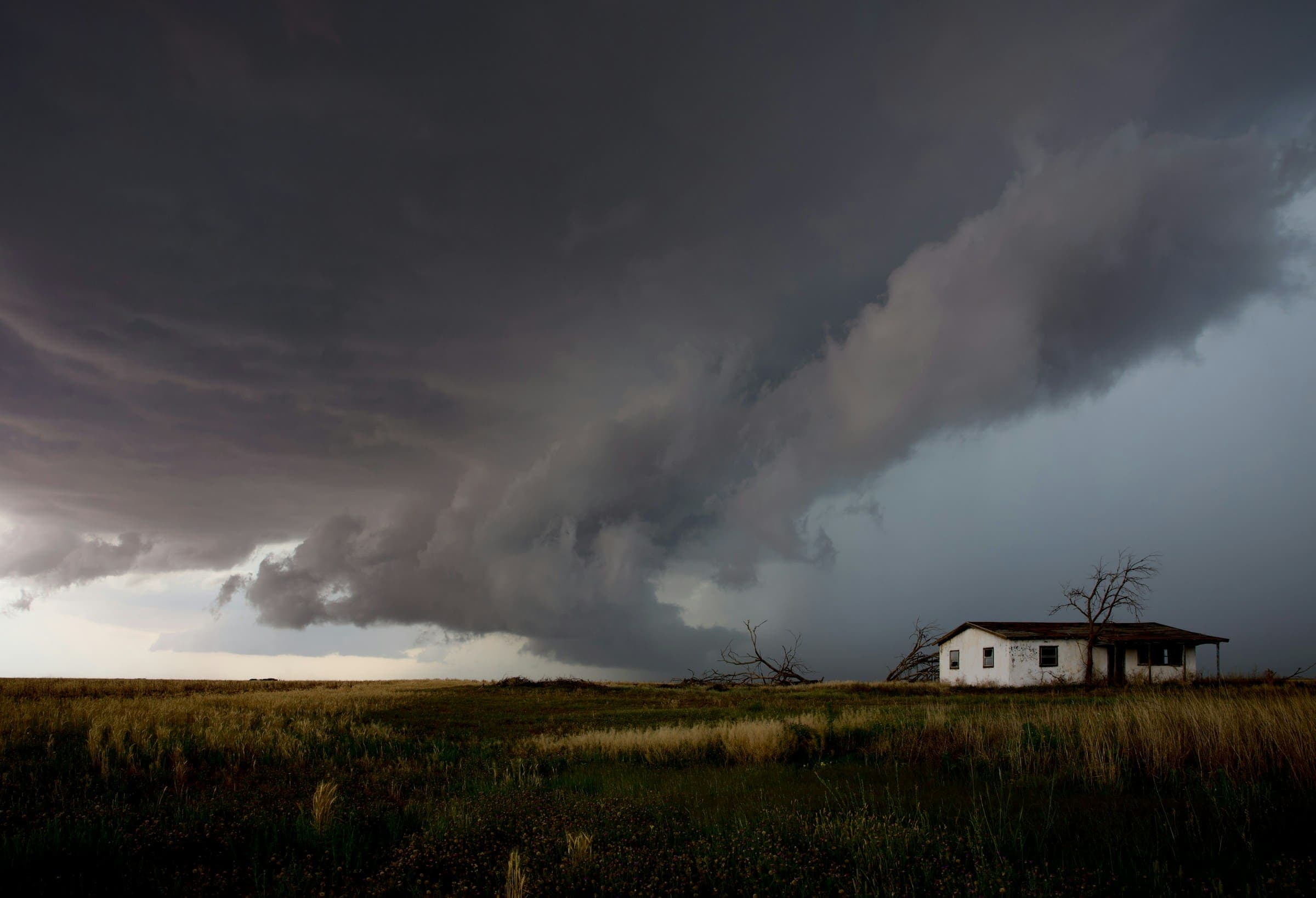
Residential · Storm & hail damage
After the storm: evidence first, decisions second.
Hail damage is easy to miss from the ground and easy to exaggerate from a door-knocker’s ladder. We document what’s actually there, then help you decide what to do with it.
- Photo-documented
- Written line-item scope
- Across Texas
What we do — and what we won’t
After every major Texas hailstorm, out-of-town crews arrive with yard signs and same-day contracts. Most homeowners just want someone to tell them, honestly, whether there’s damage worth claiming.
That’s our job. We inspect, photograph, and explain. If there’s a claim, we meet the adjuster on the roof and show them what we found. We don’t sign you up on the spot, and we don’t touch your deductible.
- Free post-storm inspection with dated photo documentation
- Honest call on damage vs. normal wear — including “no claim needed”
- We meet your adjuster on site and walk the roof with them
- Line-item scope you can compare against the insurer’s estimate

What hail leaves behind
Clues you can check from the ground
Dents on soft metals
Gutters, downspouts, AC fins, and roof vents dent easily and show the size of the hail.
Granules at downspouts
A fresh pile of shingle granules at the bottom of downspouts after a storm.
Spatter marks
Clean circular marks on painted fences, decks or the AC unit where hail knocked off grime.
Torn screens and siding
Window screens and vinyl siding often show damage before the roof does.
Shingles in the yard
Wind damage usually shows up as missing tabs, creased shingles, or debris along the fence line.
Neighbors’ roofs being replaced
Damage tends to cluster by street. It’s worth a look even if you don’t see anything yet.
The claim, step by step
Who does what in a storm claim
Pricing
Deductibles and payment, plainly
Insurance claims confuse everyone. These are the rules we work by.
- Your deductible is yours to pay
- Texas law (Insurance Code, Chapter 707) prohibits contractors from waiving, absorbing or rebating a deductible, and lets insurers ask for proof it was paid. Anyone offering to “cover” it is asking you to take a legal risk.
- Percentage deductibles
- Many Texas policies use a wind/hail deductible equal to a percentage of the dwelling coverage — 1% or 2% of a $350,000 policy is $3,500 or $7,000. Check yours before filing.
- Depreciation
- Replacement-cost policies often pay in two parts: an initial check minus depreciation, then the remainder after the work is done.
- Cosmetic damage exclusions
- Some policies exclude dents that don’t affect function, especially on metal roofs. Read that clause before assuming a dented roof is covered.
How we work
What you can hold us to
Not slogans — the specific things that happen on every job.
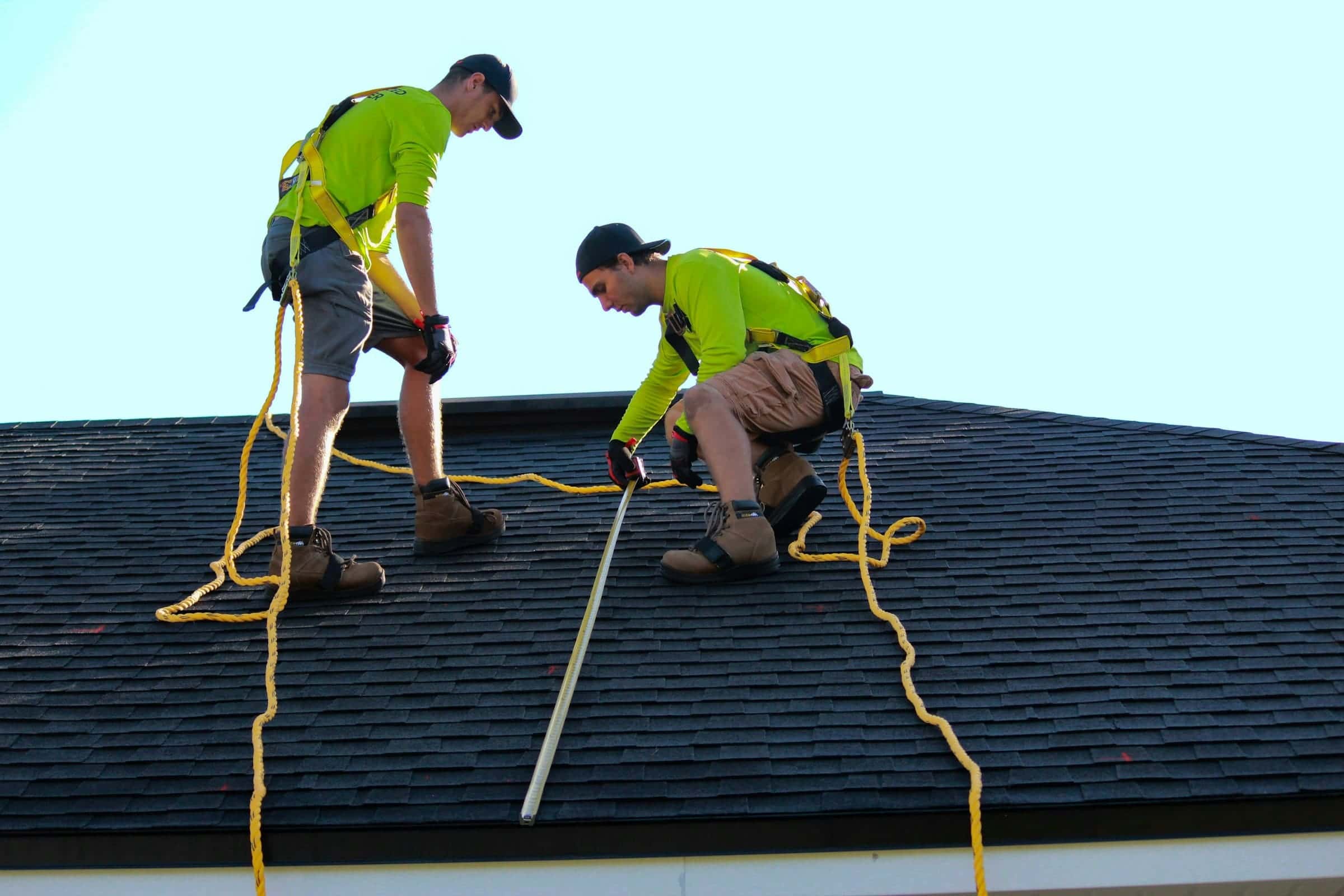
Photo-documented inspections
Every inspection ends with a photo report of what we saw on each slope — including what is fine. You keep it whether or not you hire us.
Written, line-item scope
Estimates list materials, quantities, and labor by line. If decking turns out to be rotten, the per-sheet price is already in writing before work starts.
No deductible games
Texas law makes it illegal for a contractor to waive, absorb or rebate an insurance deductible. We don’t, and we put that in the contract.
One project lead, start to finish
The person who scopes your roof is the person you call during the job. Daily updates on tear-off and install days.
Should I file a claim for every hailstorm?
No. If there’s no functional damage, filing may just add a claim to your record. Have the roof inspected first and file when the evidence supports it.
Is there a deadline to file?
Policies set their own reporting deadlines, and Texas law also limits how long you have to bring certain claims. Report damage promptly rather than waiting for the next storm. Your policy or agent has the exact terms.
A roofer offered to waive my deductible. Is that okay?
No. In Texas it’s illegal for a contractor to waive, absorb or rebate a deductible, and a policyholder who knowingly goes along with it can be liable too. It’s also a strong sign the estimate is inflated.
Do I have to use the contractor my insurer recommends?
No. You choose your contractor. Your insurer determines what is covered and how much they pay.
What if the adjuster misses damage?
You can ask your insurer to re-inspect or submit additional documentation. We can provide photos and a line-item scope to support that request; the conversation with your insurer is yours to lead.
Storm & Hail Damage across Texas
Next step
Had hail or high wind?
Book a storm inspection. You’ll get dated photos and a straight answer, even if the answer is “no claim needed.”