Emergency roof repair
Water coming in? Call now — then do these three things.
We stop active leaks with tarping and temporary dry-in, document the damage for your insurer, and come back for the permanent repair once it’s safe.
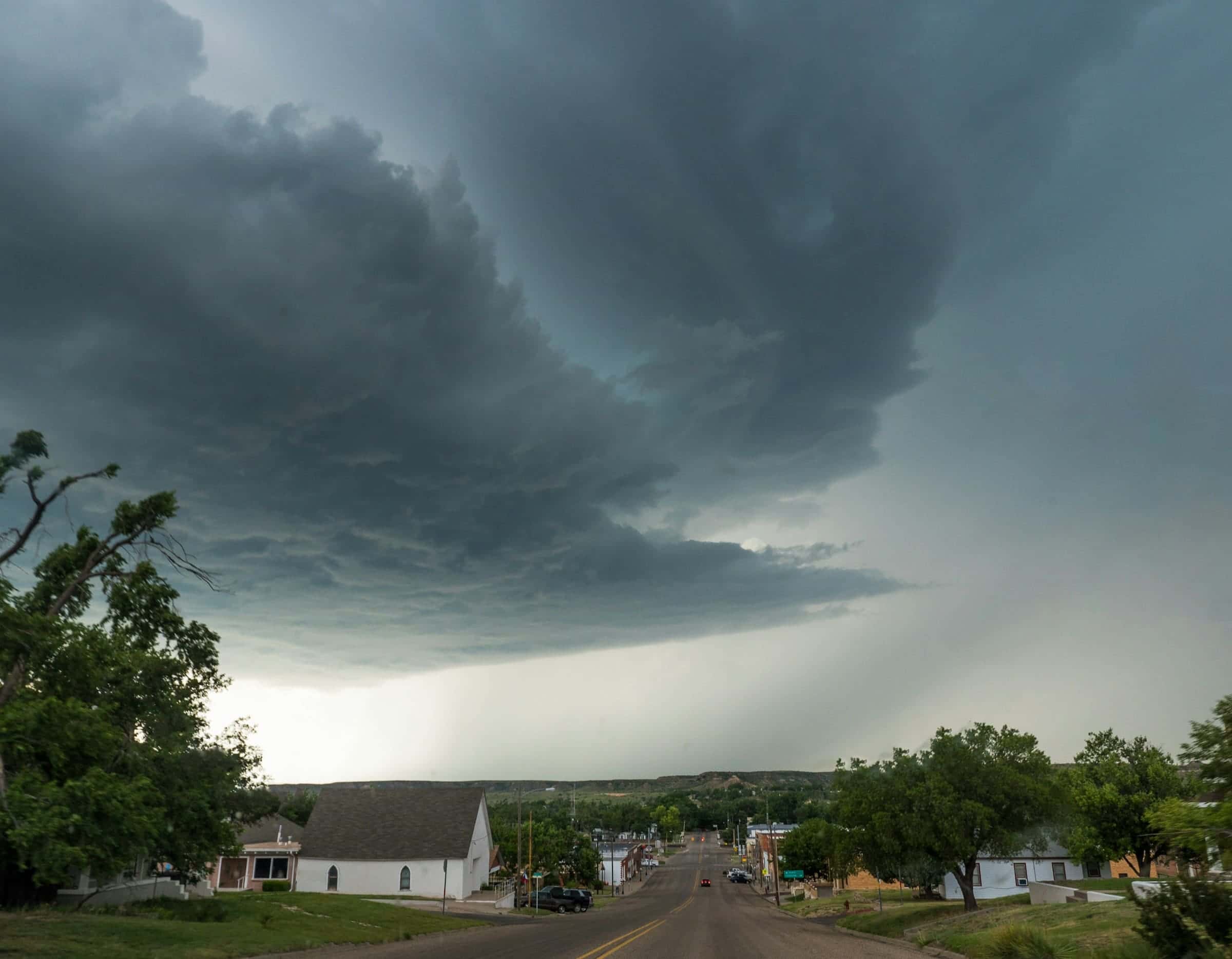
Right now
Before we arrive
Your safety first. Never go on a wet or damaged roof, and never go up during a storm.
- 1
Stay safe
If a ceiling is sagging with water, keep everyone out of that room. A bulging ceiling can come down. If water is near electrical fixtures, switch off that circuit at the breaker.
- 2
Contain the water
Buckets and towels under drips. If a ceiling is bulging and it’s safe to reach, a small hole at the lowest point lets water drain into a bucket instead of spreading.
- 3
Protect belongings
Move furniture, electronics and rugs out of the way, or cover them with plastic sheeting.
- 4
Document
Take photos and video of the water, the ceiling and anything damaged, before cleanup. Note the time the leak started.
- 5
Call your insurer
Report the damage. Most policies expect you to take reasonable steps to prevent further damage, which is what emergency tarping is for. Keep the receipt.
What “emergency” means here
Active water intrusion, a tree or limb through the roof, or a storm that has torn off a section of roofing. If water is reaching your living space, it’s an emergency.
A stain that appeared last month and hasn’t grown is not — book a repair visit instead, and save the emergency line for someone with water on the floor.
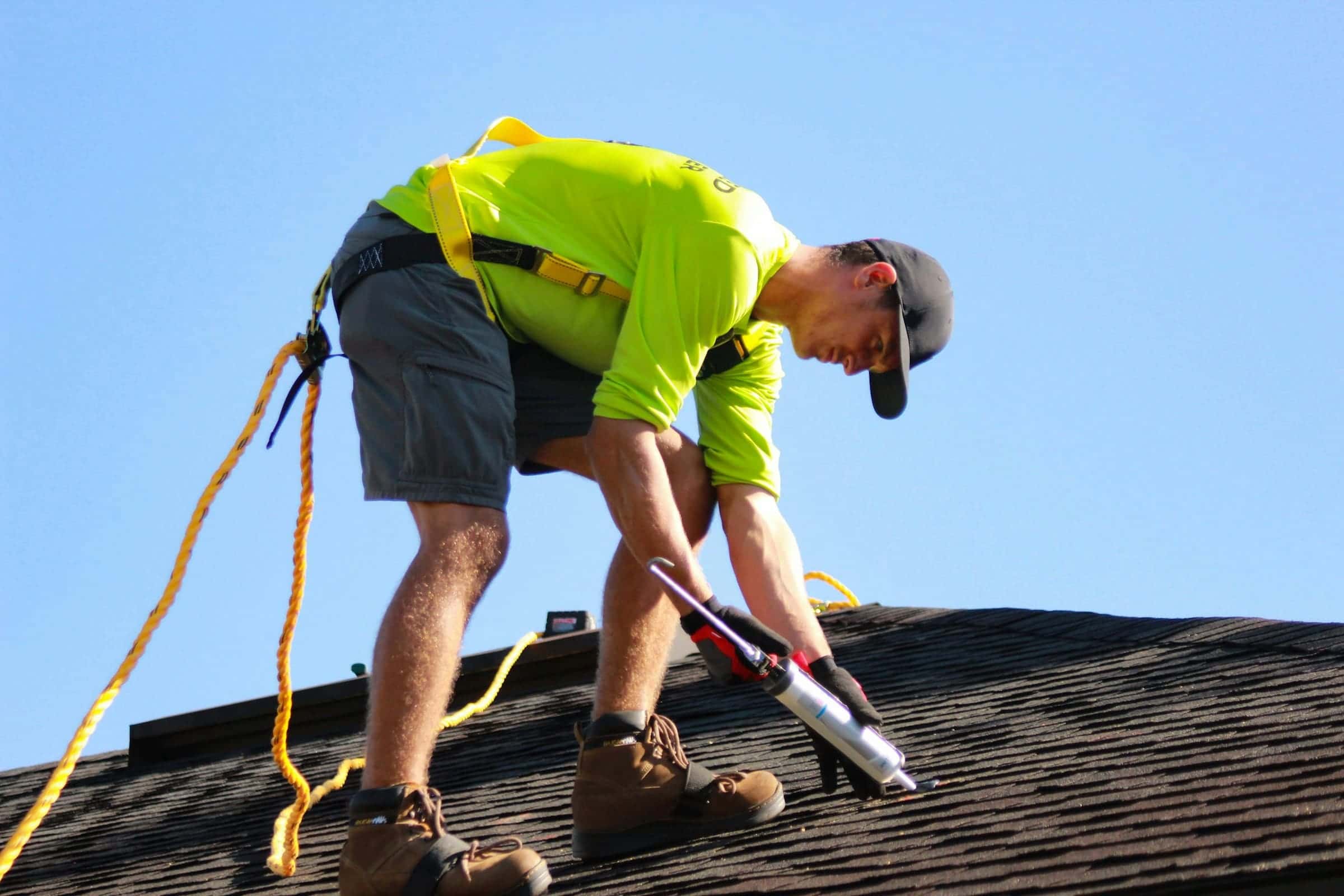
Process
After the emergency
Temporary protection
Tarp or membrane installed and photographed. You receive an invoice for your insurance claim.
Full inspection
Once weather allows, we inspect the whole roof and attic for related damage.
Written scope
Permanent repair or replacement scope, in writing, with photos.
Permanent fix
Repair completed and documented. Temporary materials removed.
Will you come out in the middle of the night?
We answer the emergency line around the clock. Whether a crew can safely go up at night depends on weather and conditions. If not, we’ll talk you through containment and be there at first safe light.
Is emergency tarping covered by insurance?
Reasonable steps to prevent further damage are commonly covered under homeowners policies, but your insurer makes that call. Keep the invoice and photos we give you.
How long can a tarp stay on?
A properly secured tarp is a temporary measure, typically for weeks, not months. Sun and wind degrade it. Plan the permanent repair as soon as you can.
Next step
Active leak right now?
Call the emergency line. If it’s not urgent, a repair request gets you on the schedule without tying up the line.