Residential · Roof replacement
A new roof is a 20-year decision. Make it with the whole picture.
We replace the system, not just the shingles: decking, underlayment, flashing, and attic ventilation, priced line by line so you can compare bids honestly.
- Photo-documented
- Written line-item scope
- Across Texas

What “replacement” actually includes
Most of a roof’s performance lives under the shingles. A replacement that skips the ventilation math or reuses tired flashing can look perfect on day one and fail early anyway.
Our replacement scope is written so you can see each layer: what comes off, what gets inspected once the deck is exposed, and what goes back on. Nothing is bundled into a vague “roof system” line.
- Complete tear-off down to the deck — no layering over old shingles
- Deck inspection with per-sheet pricing for any rotten or delaminated boards, agreed in advance
- Synthetic underlayment, plus leak barrier at valleys, eaves and penetrations
- New drip edge, pipe boots, step and counter flashing where the existing metal is worn
- Intake and exhaust ventilation balanced for your attic, not just added ridge vent
- Daily cleanup with magnetic nail sweeps, and a final walkthrough with photos

The plan
What a typical replacement looks like, day by day
- Before
Material delivery & site prep
Materials are dropped the day before or morning of. We confirm driveway access, mark sprinkler heads, and talk through where the dumpster or trailer will sit.
- Day 1
Tear-off & deck inspection
Old roofing comes off one section at a time so the house is never left open. Your project lead photographs the bare deck and calls you before replacing any boards.
- Day 1–2
Dry-in & flashing
Underlayment, leak barrier, drip edge and flashing go down. At this point the house is weather-tight even before shingles go on.
- Day 2–3
Shingles, ridge & ventilation
Field shingles, hip and ridge caps, and the ventilation plan are installed. Pipe boots and vents are sealed and checked.
- Final
Cleanup & walkthrough
Magnetic sweep of lawn and driveway, gutter clean-out, and a walk of the roof and yard with you. You receive the photo record and warranty paperwork.
Materials
Choosing what goes on top
Pricing
What moves the price of a replacement
We won’t quote a roof from a satellite photo. These are the things we measure on site, and each one shows up as its own line in your estimate.
- Roof size and pitch
- Measured in squares (100 sq ft). Steeper roofs need more safety setup and slow the crew down.
- Complexity
- Valleys, dormers, skylights, chimneys and multiple roof planes each add flashing work and waste.
- Layers to remove
- Two old layers mean twice the tear-off labor and disposal weight.
- Deck condition
- Unknown until tear-off — which is why the per-sheet replacement price is agreed in writing up front.
- Material choice
- Standard architectural, Class 4 impact-resistant, and metal sit at very different price points.
- Ventilation corrections
- Adding intake at the soffits or swapping box vents for ridge vent is labor and material that pays you back in shingle life.
Getting your home ready
- Move vehicles out of the garage and driveway the night before
- Take down wall hangings on top-floor walls — hammering vibrates through framing
- Cover items stored in the attic with old sheets to catch dust
- Tell neighbors; it will be loud from about 7 am
- Keep kids and pets indoors or away while crews are working overhead
How we work
What you can hold us to
Not slogans — the specific things that happen on every job.
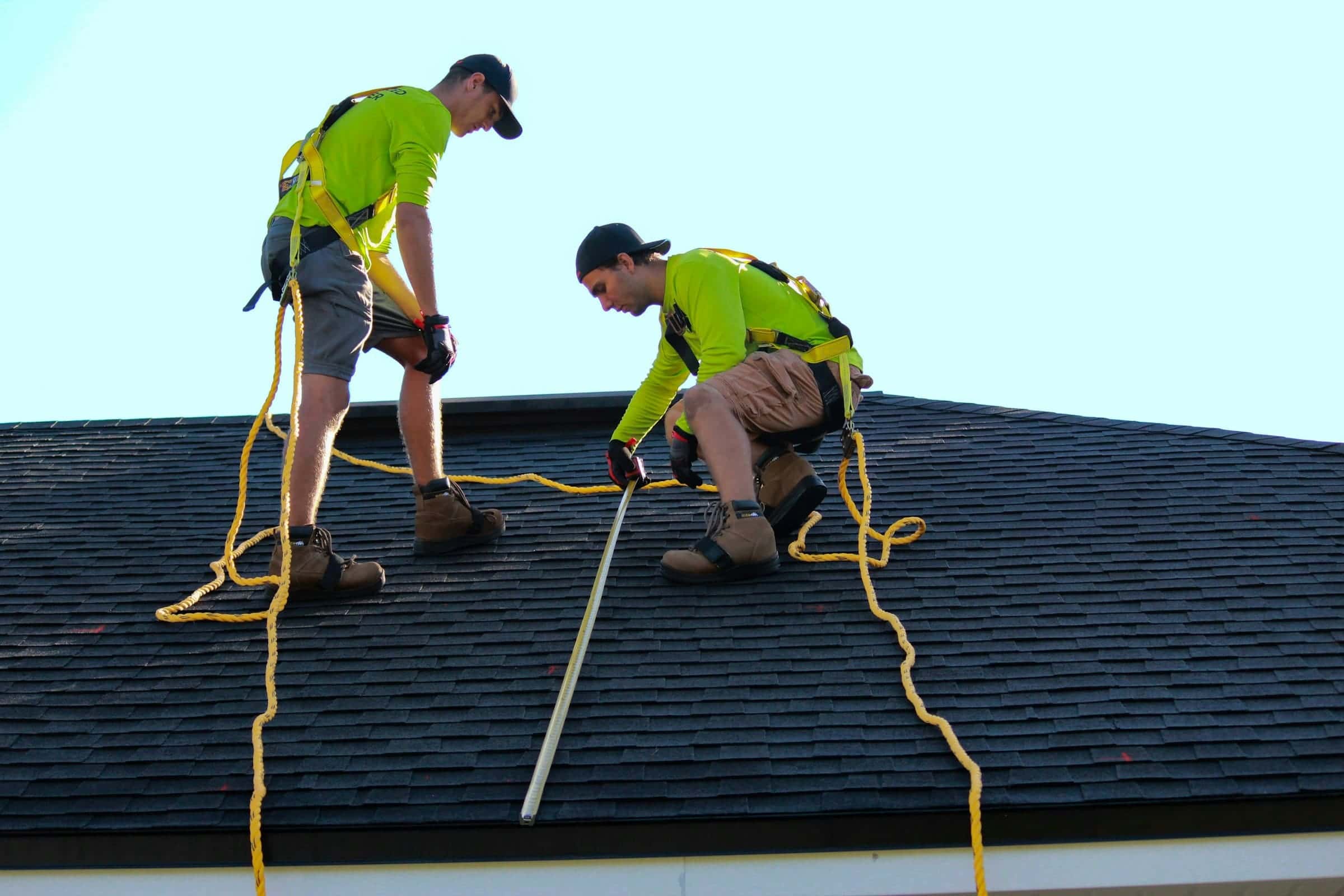
Photo-documented inspections
Every inspection ends with a photo report of what we saw on each slope — including what is fine. You keep it whether or not you hire us.
Written, line-item scope
Estimates list materials, quantities, and labor by line. If decking turns out to be rotten, the per-sheet price is already in writing before work starts.
No deductible games
Texas law makes it illegal for a contractor to waive, absorb or rebate an insurance deductible. We don’t, and we put that in the contract.
One project lead, start to finish
The person who scopes your roof is the person you call during the job. Daily updates on tear-off and install days.
How do I know if I need a replacement and not a repair?
If damage is limited to one area and the rest of the roof has life left, repair usually makes sense. Widespread granule loss, curling or brittle shingles, repeated leaks in different places, or storm damage across several slopes point to replacement. Our inspection report tells you which and why.
Can you put new shingles over my old ones?
We don’t. A layover hides the deck, traps heat, adds weight, and some manufacturers limit warranty coverage on it. A full tear-off is the only way to see and fix what is underneath.
What happens if you find rotten decking?
Your project lead photographs it and calls you before anything is replaced. The price per sheet is already in your contract, so there are no surprise numbers mid-job.
Do I need to be home during the work?
Not the whole time. We do need access to the driveway and an outdoor outlet, and we like to walk the property with you at the start and at the end.
Next step
See your roof the way we see it
Start with an on-site assessment and photo report. You’ll get a written, line-item replacement scope you can compare against anyone else’s.