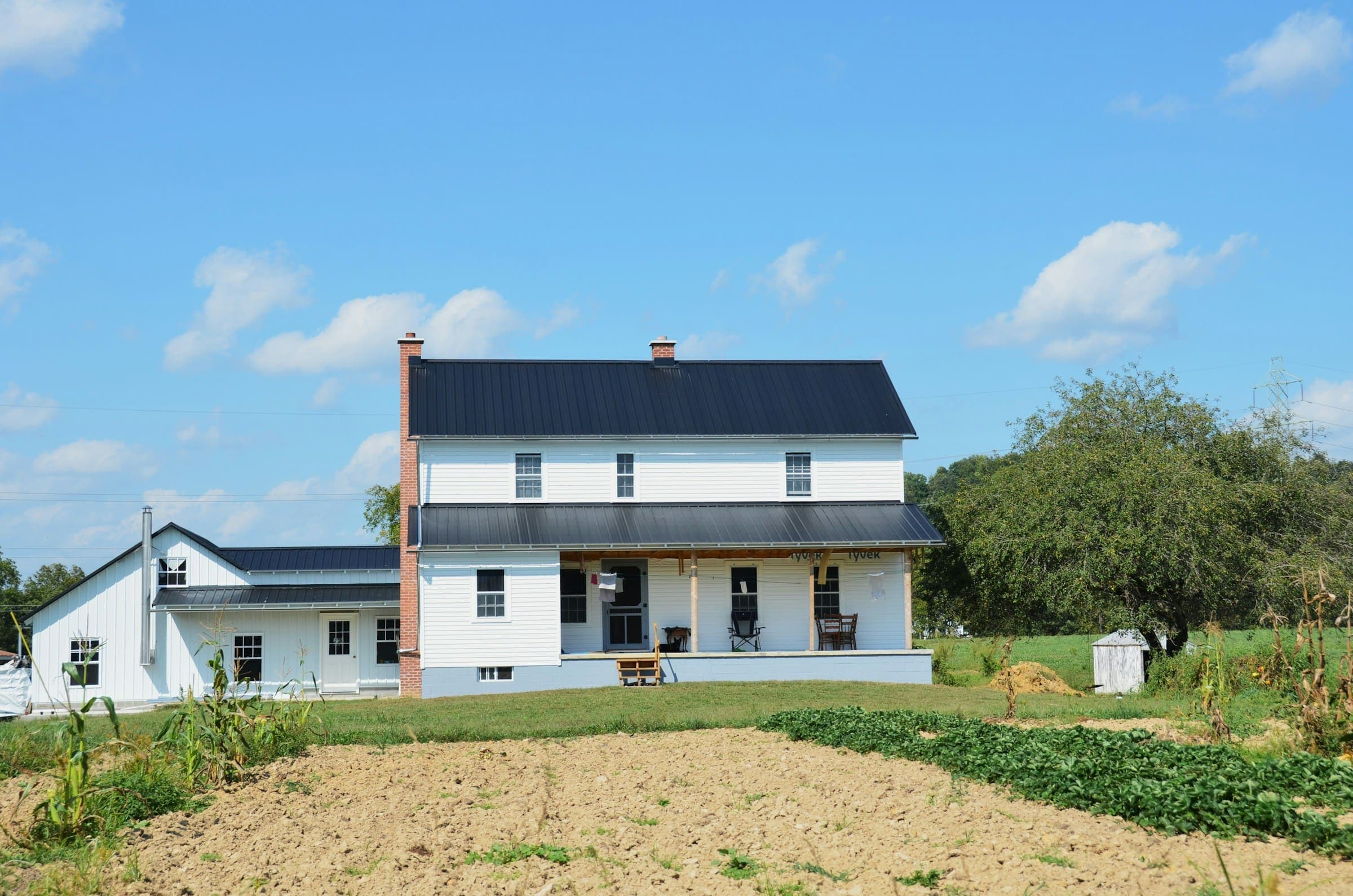
Materials · Metal roofing
Metal outlasts most of the alternatives. It isn’t right for every house.
Standing-seam metal sheds heat and water, needs little maintenance, and can serve for decades. It also costs more upfront and has quirks with hail and insurance worth knowing first.
- Photo-documented
- Written line-item scope
- Across Texas
Two very different kinds of “metal roof”
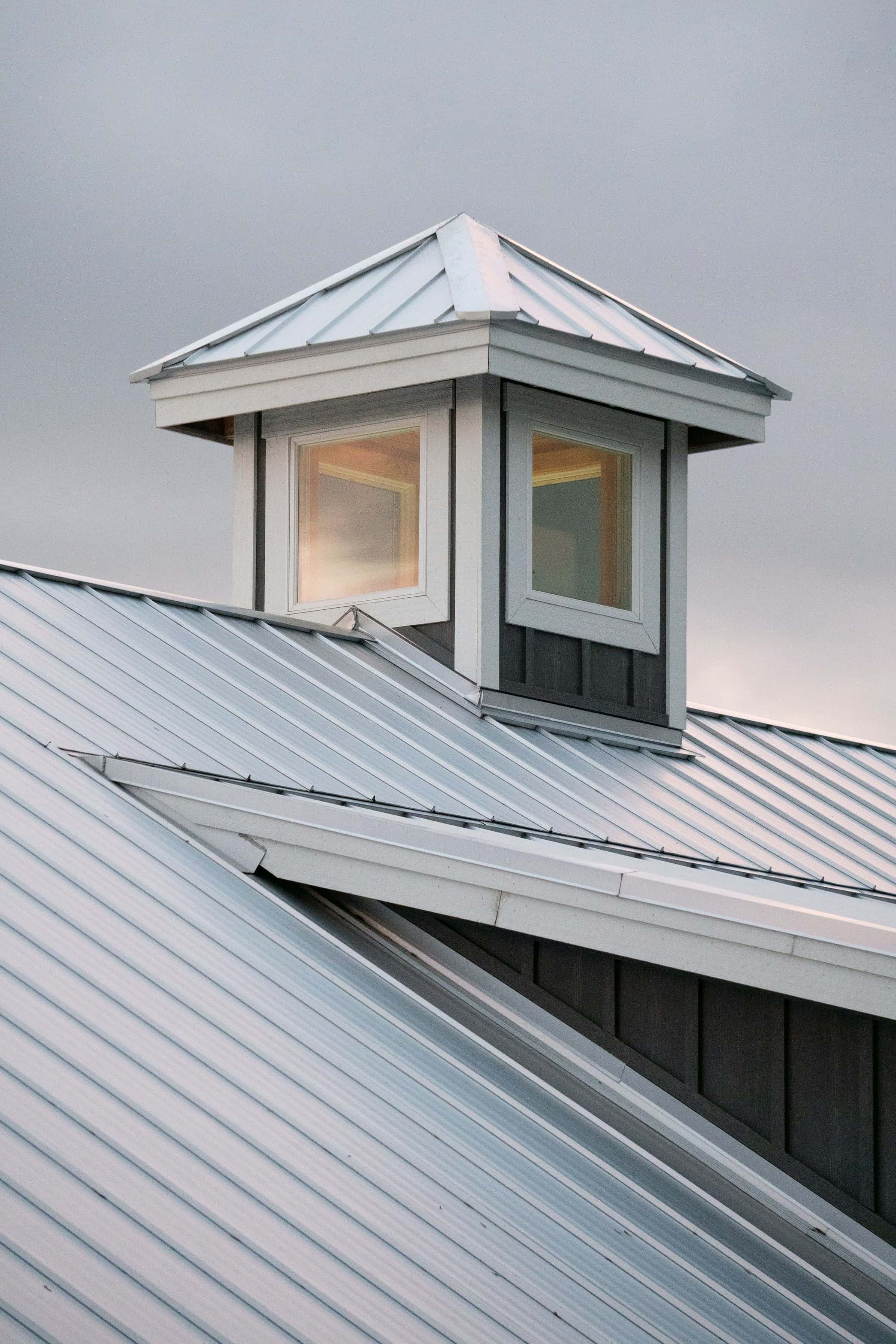
Standing-seam metal uses concealed clips, so no fasteners are exposed to sun and rain, and panels can expand and contract freely in Texas heat. Exposed-fastener panels (often called R-panel or “screw-down”) are cheaper and common on barns and shops, but every screw is a washer that will eventually need attention.
For a primary residence, we generally recommend standing seam. For outbuildings, porches and budget-driven projects, exposed-fastener can be the sensible choice, and we’ll tell you what maintenance it will need.
Compare
Metal vs. shingles, honestly
| Standing-seam metal | Exposed-fastener metal | Architectural shingles | |
|---|---|---|---|
| Upfront cost | Highest | Moderate | Lowest |
| Service life | Longest of the three | Long panels; fasteners need periodic service | Shortest; varies with heat and storms |
| Maintenance | Very low | Re-tighten or replace fasteners over time | Low; repairs are easy |
| Hail | Can dent cosmetically; heavier gauges resist better | Dents; check cosmetic exclusions | Granule loss and bruising |
| Heat | Reflective finishes reduce attic heat | Same, with reflective finish | Absorbs more heat |
| Best for | Forever homes, modern & farmhouse design | Barns, shops, porches | Most homes on a budget |
Many Texas policies include cosmetic-damage exclusions for metal. Read yours before choosing — dents that don’t leak may not be covered.
Details
What to decide with a metal roof
Is a metal roof loud in the rain?
Over a solid deck with underlayment and an insulated attic, most people find it no louder than shingles. It’s the open-framed barn roofs that drum.
Can metal go over my existing shingles?
It’s sometimes done, but we prefer a full tear-off so we can inspect the deck and avoid trapping heat and moisture.
Will a metal roof attract lightning?
No more than any other roof. And if struck, metal is noncombustible.
Next step
Is metal right for your house?
We’ll price standing seam and a shingle alternative side by side so you can see the real difference.